
Secure PDK
SecurePDK is designed to plug directly into existing PDK databases, extending—not replacing—them. It integrates seamlessly with standard PDK delivery models and EDA design flows, allowing foundries and PDK developers to protect their most valuable IP without disrupting customer workflows or requiring changes to established infrastructure.
By securing devices, PCells, and advanced database objects within the native PDK environment, SecurePDK preserves the full investment PDK developers have already made in their libraries, verification flows, and qualification processes. At the same time, it prevents unauthorized access, reverse engineering, and IP leakage—while ensuring that designers continue to work with fully functional, editable, and verified components.
SecurePDK enables foundries and PDK providers to add robust IP protection on top of their existing PDK assets, maintaining compatibility, usability, and customer trust while safeguarding the long-term value of their technology.
The emergence of photonics quantum computing and GAA technology places even more pressure on foundries and fabless companies to secure their IP and prevent advanced research being stolen and used by unauthorized competitors.
Protecting Critical IP with Secure PDK
IN2FAB’s SecurePDK is a software-based solution that enables license-controlled protection of semiconductor PDK IP by integrating directly into existing PDK code. SecurePDK operates on the same network as standard EDA tools and manages access through secure calls to Flexera™ licensing software.
PDK owners protect their technology by embedding lightweight license checks into their current PDK files or by using SecurePDK utilities to automatically convert standard PDK content into secured versions—without rewriting or restructuring the PDK. Once enabled, the added security is completely transparent to authorized users, preserving normal design workflows while preventing unauthorized access and IP misuse.
1. Access Control & Authorization
- Ensure only legitimate users and teams can access specific PDKs, IP cores, or design files.
- Role-based licensing allows fine-grained control over who can access specific components, features or other sensitive data.
2. Encryption & Anti-Tamper Protections
- Advanced encryption mechanisms safeguard IP against reverse engineering and unauthorized modifications.
- Tamper-resistant software prevents unauthorized users accessing data by bypassing license security.
3. Flexible Licensing Models
- Support for various licensing models, including time-based, usage-based, floating, and token-based licenses, ensuring that IP usage aligns with business goals.
- Secure cloud-based and on-premise licensing options provide flexibility without compromising security.

Seamless Security and Integration
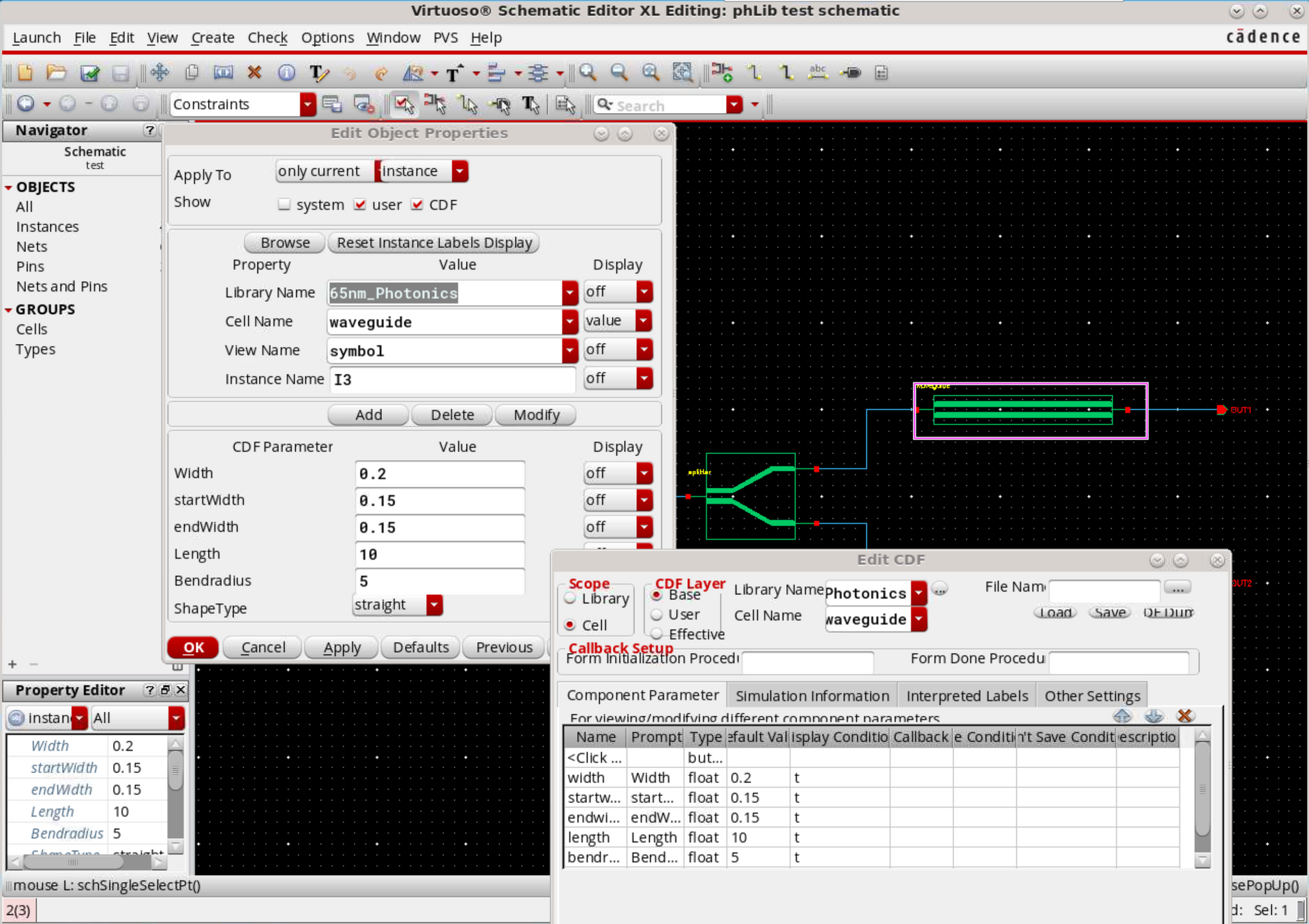
Secure PDK provides an integrated link between PDKs built for tools from Cadence Design Systems and license technology from FlexeraTM. The software protects multiple circuit elements from unauthorized access including:
- schematic symbols
- layout Pcells
- CDF
- standard cells (schematic and layout)
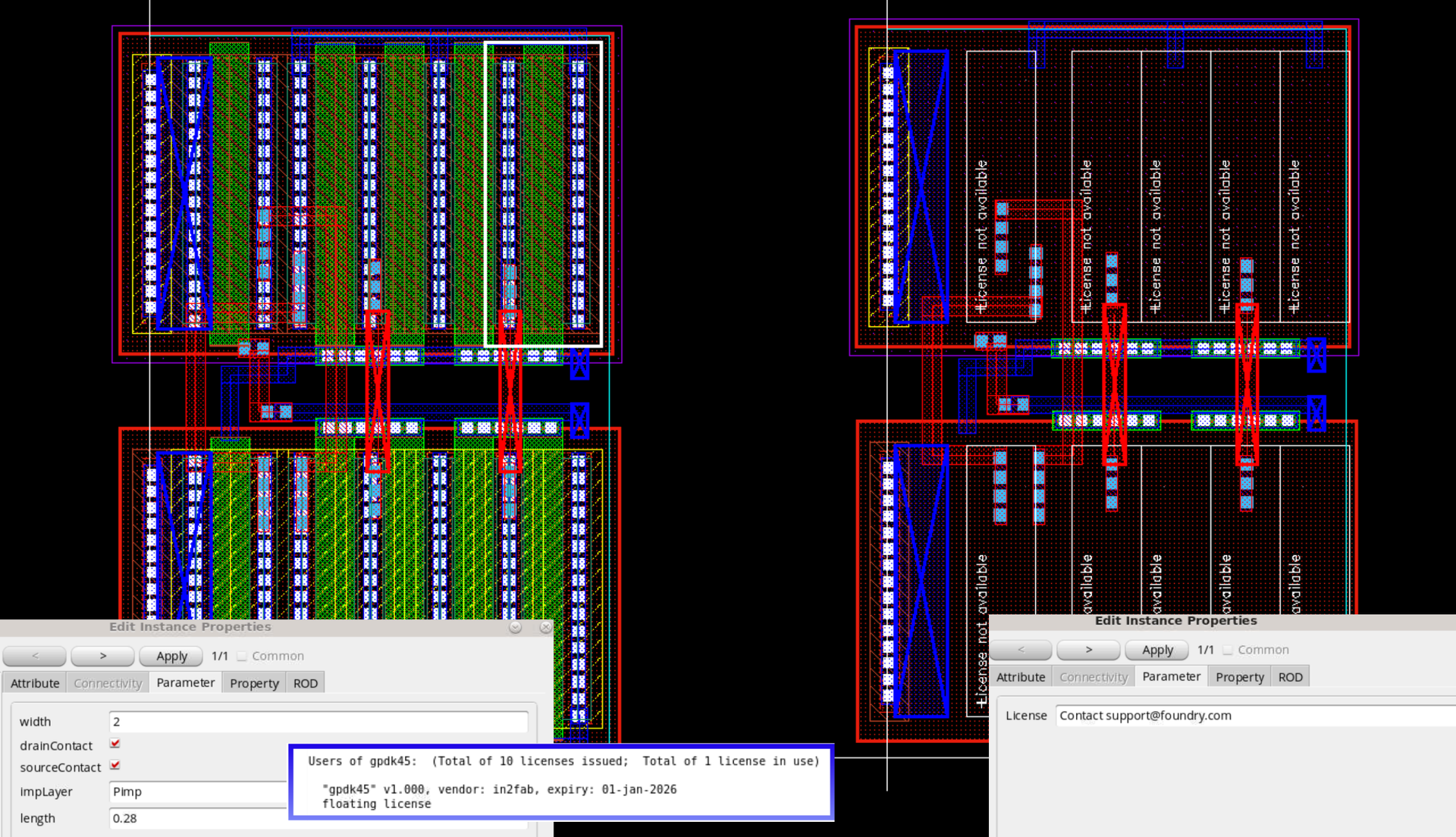
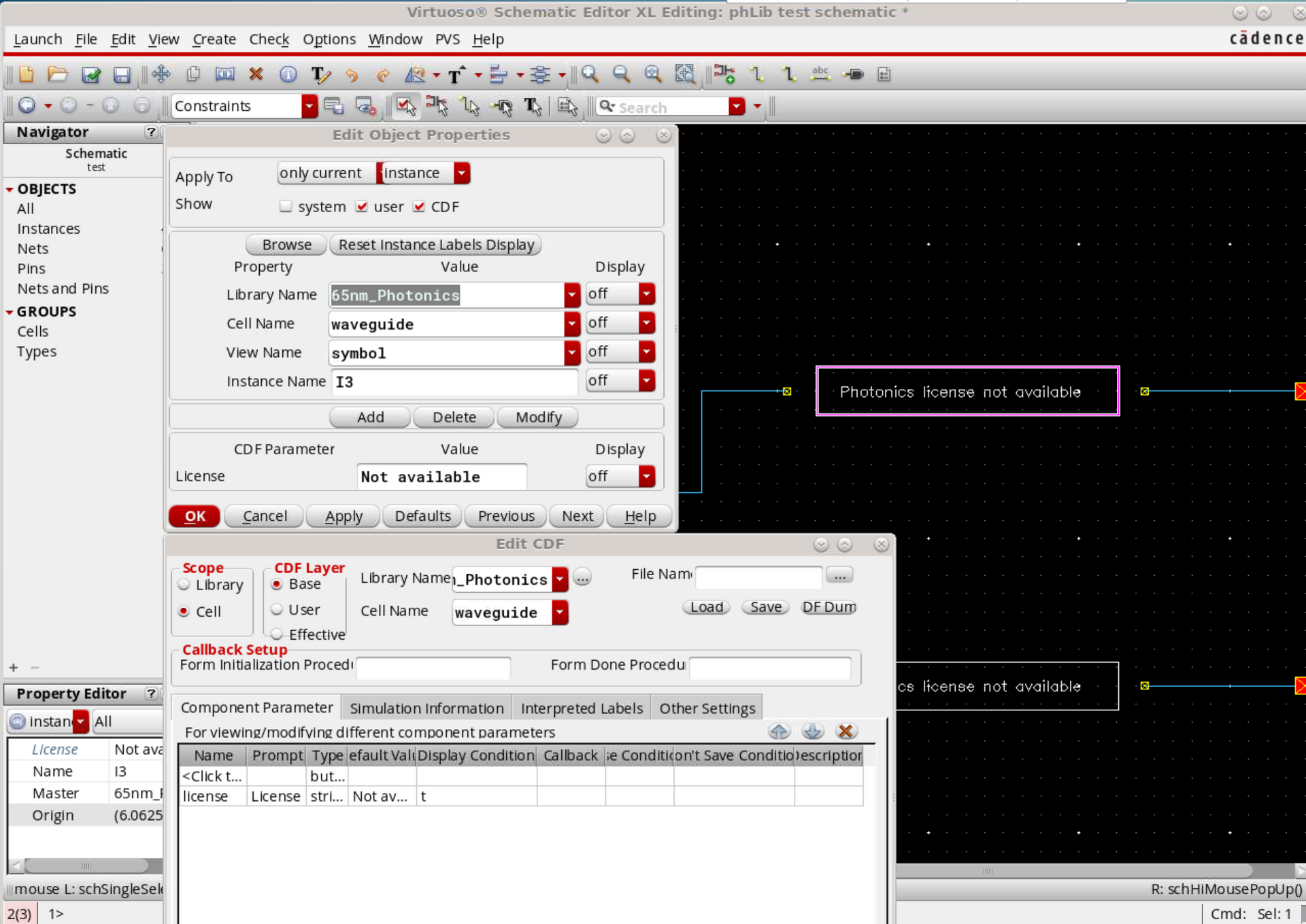
License calls are completely transparent and legitimate users can access the PDK without restriction. Attempts to use the PDK without a license will lead to its contents being blocked, protecting both PDK and circuits that have been built from its contents. Library access is controlled through standard FlexeraTM license files which define valid hosts, time limits, number of users and more.
Existing Skill files can be protected simply by adding Secure PDK instructions to control access or restrict certain features. Legacy libraries can be converted automatically to secure versions through Secure PDK utilities.
Advanced PDKs
Advanced technologies are delivering faster and more efficient products for high performance computing and AI. New devices and evolving circuits present difficult challenges to designers and manufacturers, leading to innovation in circuit design and component construction.
Secure PDK's data management and conversion tools translate new and legacy PDKs to secure versions at the touch of a button. Graphical schematic and layout data along with CDF parameters are converted into secure format and wrapped in license calls before being compiled to a context file.
Protecting the PDK also provides security to the circuits built using them. Schematic and layout data for IP and full chips will show empty boxes instead of components unless a valid PDK license is present. Secure PDK prevents theft, copying and counterfeiting of proprietary designs and circuits for complete peace of mind.
Protection and Security
Protecting the data in PDKs for advanced semiconductors like FinFET, Gate-All-Around (GAA), photonics and quantum is critical for maintaining technological leadership. Symbols, parameters and layout for core components describe full details of component construction and manufacturing, while standard cell libraries contain the details of countless digital circuits.
An unauthorized or hostile user could cause severe damage to the technical ecosystem by gaining access to circuit design files. From replication and counterfeiting to inserting malicious alterations, critical circuits including military, financial or infrastructure products could be compromised.
Secure PDK mitigates this risk by preventing the files being used without a license, even if they are stolen from their original owner.
Securing the Technology Revolution
Failing to secure PDKs exposes semiconductor companies to intellectual property theft and tens of millions of Dollars in losses. Unauthorized users can back reverse engineer the components in the PDK to develop their own manufacturing technology, and counterfeiters can modify and adapt existing circuits to their own purposes.
Unauthorized technology access or intellectual property theft can lead to enormous financial losses, weakened market positions, compromised product integrity and even damage national security.
Adversarial nations and cybercriminals can exploit unsecured PDKs to reverse-engineer critical infrastructure or bypass export controls, threatening the research and investment in advanced technology.
Securing PDK technology is a critical step in protecting innovation, maintaining economic and national security, and preserving a competitive edge in a rapidly evolving global landscape.